April 30, 2007

Toxic Algae Bloom Kills Wildlife Along Calif. Coast
ABC 7 News
28 Apr 2007
E Rosales
Area: California USA

Hundreds of California birds, sea lions and dolphins are dying because of an algae bloom off the coast. Environmentalists say the ocean algae produces a toxic acid and both injured and dead marine life have been washing ashore from San Diego to San Francisco. Michelle Berman, assistant curator at the Santa Barbara Museum of Natural History says marine biologists have documented 18 dolphin strandings in the past three weeks. Michelle Berman, S.B. Museum Of Natural History: "We're seeing one or two a day, which is a lot of dolphins in this area, when we usually see only one or two a month."

Scientists say the numbers are alarming. They're not only seeing dolphins washing up on shore, but whales as well. In early April, a 30-foot sperm whale washed up near Surf Point in Isla Vista. Days later another whale washed up on shore in Ventura Beach. Marine biologists here in the Bay Area believe an algae bloom is producing a toxic acid that's killing ocean life. Jim Oswald, Marine Mammal Center: "Anchovies and fish eat this particular type of harmful algae and then marine mammals such as seals and sea lions, dolphins and whales eat those fish and become really ill."


Disease Divides Fed Agencies
Casper Star-Tribune
27 Apr 2007
B Farquhar
Area: Wyoming USA

There’s a deep division between two federal agencies over eradication of brucellosis in the bison and elk of Yellowstone National Park. That divide was the 800-pound gorilla for the Wyoming Governor's Brucellosis Coordination Committee here on Thursday. {M3Bret Combs, the area veterinarian in charge of the Animal and Plant Health Inspection Service's Veterinary Services, acknowledged that his group and the National Park Service “are not on the same page” regarding the eradication of brucellosis in Yellowstone wildlife. Combs also acknowledged that until that gap is closed, Wyoming’s efforts to eliminate the disease in wildlife are likely doomed to failure.

John Keck, the Wyoming state coordinator for the National Park Service, didn’t say much before the committee, but explained in a separate interview how complex the brucellosis problem looks from the Park Service's perspective. Keck said the agency divide exists in part because the Park Service does not regard its wildlife as a form of livestock. Indeed, the “wildness” of elk and bison are valued, and Park Service leadership balks at the suggestion from APHIS and ranchers that elk and bison be rounded up and processed through a test-and-slaughter program. “Twenty minutes after we announced such a program, we’d get sued,” said Keck.


Dozens of Nilgai Antelope Killed in Texas to Stop Tick Spread
Canadian Press (Posted by brandonsun.com)
29 Apr 2007
Area: Texas USA

South Texas ranchers brought nilgai antelope from a California zoo decades ago, when it became fashionable to stock their sprawling acreage with exotic quarry. These days the species native to India and Pakistan are not so much a rarity in South Texas as a nuisance. For cattle ranchers they are a possible nemesis, threatening to spread a deadly tick to the herds. Federal wildlife officials say the nilgai compete with native Rio Grande Valley species for food and trample the brush they are trying so hard to preserve.

The fast-running, 250-kilogram antelope have wandered all around the region, where at least one picked up a kind of fever tick from Mexico that once nearly wiped out American cattle. The ticks spread among the population and threaten the cattle. Federal officials said they had no choice but to hire a "helicopter and gunner" to slaughter them. Thirty-seven were killed during the two-day hunt in March on a portion of the Lower Rio Grande Valley National Wildlife Refuge that runs along the border.


Deer Die of Unknown Disease, Forest Dept in a Spot
The Statesman
29 Apr 2007
Area: Orissa, India

The outbreak of a mysterious animal disease killing at least three spotted deer in Bhitarkanika National Park (BNP) over the past one week has left the wildlife personnel in a quandary. Deer are perishing at frequent intervals and it has become a yearly phenomenon in the national park where over 5,000 spotted deer are living.
The study on the animals’ death in the past years by animal disease researchers diagnosed that the feline species had succumbed to tuberculosis. Officials revealed that the decomposed carcasses of at least three spotted deer, including one horned male one, had been sighted by ground-level staff between 19 and 21 April. Initially, it was feared that the species might have been killed by poachers who later might have left it behind to escape from the patrolling forest guards.

There were, however, neither external injuries nor marks of strangulation on necks as mostly found in cases of poaching, according to BNP officials. After preliminary investigation by forest officials, along with local veterinary surgeons, the cause of the death was diagnosed as some form of animal disease. Fortunately, no further report of deer dying in the 145 square km of national park has come to light since 21 April, the officials maintained. On the other hand, unconfirmed reports put the deer death toll at nine.


Chronic Wasting Disease Is Transmissible Among Rodents
American Society for Microbiology (Posted by sciencedaily.com)
27 Apr 2007

For the first time, a new study demonstrates that certain rodents can be directly infected with CWD and therefore serve as animal models for further study of the disease. Chronic wasting disease (CWD), also known as mad cow disease in cattle and Creutzfeldt-Jacob disease in humans, is a transmissible prion disease most commonly found in deer and elk.

Conversion of the normal host protein to an abnormal disease-associated form is an important part in the tracking of prion diseases and researchers are hopeful that rodent-adapted CWD models could assist in therapeutic development. In the study transgenic and wild-type mice in addition to Syrian, Djungarian, Chinese, Siberian and Armenian hamsters were inoculated with CWD samples retrieved from deer and elk and monitored over various amounts of time.


>>> FULL ARTICLE

Related Article(s)
>>>No Sign of CWD in Kansas Tests


Journal Article(s) of Interest

Tickborne Encephalitis in Naturally Exposed Monkey (Macaca sylvanus)
Emerg Infect Dis. 2007 Jun; [Epub ahead of print]
J Suss et al.

Prions: The New Biology of Proteins [book review]
Emerg Infect Dis. 2007 Jun; [Epub ahead of print]
ED Belay

April 27, 2007

Algae Bloom Killing Wildlife off California Coast
The Associated Press (Posted by Canada.com)
27 Apr 2007
Area: California, USA

A bloom of ocean algae that produces a toxic acid has sickened and killed hundreds of birds, sea lions and dolphins in California, environmentalists said. Birds and animals have been washing up on shores from San Diego to San Francisco Bay.

In the past week, 40 birds have been taken to the International Bird Rescue Center in San Pedro with symptoms of domoic acid poisoning, which attacks the brain and can cause seizures. In previous seasons, the centre might see seven birds a week, director Jay Holcomb said.

"I have been doing this work for 35 years and I have never seen anything like this as far as the number of species affected, other than an oil spill," Holcomb said Thursday.


Related Link


PCBs in Freshwater Clams Prompt Health Warning

The Daily News
25 Apr 2007
B LaBoe
Area: Washington, USA

Dangerously high levels of PCBs in Columbia River freshwater clams prompted an emergency warning against eating or harvesting them Tuesday. Columbia River clams have up to 70 times the acceptable level of PCBs in a recent U.S. Army Corps of Engineers study, according to a joint emergency notice issued by the Clark, Cowlitz, Skamania and Wahkiakum county health departments.

Levels were particularly high around the former Vanalco aluminium plant in the Vancouver area, prompting warnings in four area counties. Harvesting clams from the river is illegal but is known to occur in Cowlitz, Wahkiakum and Clark counties, according to the warning. Because of that warnings in several languages are being posted along the river.


State Pans Wildlife Rule

Jackson Hole News & Guide
27 Apr 2007
R Huntington
Area: Wyoming, USA

A state task force decided Thursday to back Gov. Dave Freudenthal’s opposition to drafting federal rules to deal with wildlife diseases in a way that might impact cattle ranchers.

State officials said they have not been allowed to see the draft rules, which could affect both wildlife and livestock in Wyoming. The first draft is slated for publication in the fall, according to Wyoming Game and Fish Department Director Terry Cleveland, who said his agency wants to be allowed to see the rules and offer input before publication.

Cleveland said he’s worried the rules could open the door to penalizing Wyoming cattle ranchers because the state’s elk population is infected with the disease brucellosis. “I don’t want Wyoming livestock producers to lose [brucellosis-free] status because of disease in wildlife,” Cleveland said.


Journal Articles of Interest

Emerging Infectious Disease – May 2007 Issue
Volume 13, Issue 5


Toxoplasma Gondii Inclusions in Peripheral Blood Leukocytes of a Red-necked Wallaby (Macropus rufogriseus). [online abstract only]
Vet Clin Pathol. 2007 Mar;36(1):97-100.
MJ Adkesson et al.

Leptospirosis in Urban Wild Boars, Berlin, Germany
Emerging Infectious Disease. 2007 May; 13(5): Eprint
A Jansen et al.

April 26, 2007

Zimbabwe: Experts to Research on Animal Health at Park
The Herald (Harare)(Posted by allafrica.com)
26 Apr 2007
Area: Zimbabwe Africa

The Parks and Wildlife Management Authority has engaged veterinary experts to conduct research on diseases and health status of animals at the Gonarezhou National Park. The authority yesterday issued a permit to Wildlife Veterinary Services allowing it to undertake the study. The research would result in the setting up of a veterinary site to help control diseases and the movement of wildlife, which has changed with the coming into operation of the Great Limpopo Transfrontier Park, the authority said. The wildlife health experts are expected to assess the health status of animals and closely work with counterparts from Mozambique and South Africa to help contain disease outbreaks.

The decision to involve the Wildlife Veterinary Services comes after a meeting between parks authorities and wildlife health experts over a week ago. "The veterinary experts were concerned about the health status of animals, especially with the development of large transfrontier conservation areas like the Great Limpopo Park comprising South Africa, Mozambique and Zimbabwe," parks public relations manager Retired Major Edward Mbewe said. He said the management of wildlife and livestock diseases within the envisaged larger trans-boundary landscapes remains unsolved and an issue of major concern to other economic sectors in the country and the Southern Africa region. Rtd Maj Mbewe said several meetings held by the three countries that make up the GLTP also showed that all parties were optimistic about the benefits they were going to accrue but not much has been discussed regarding the aspect of disease control.


Pat Durkin Column: Pseudorabies Provides Latest Warning; Is Anyone Listening?
Green Bay Press Gazette
26 Apr 2007
Area: Wisconsin USA

Wisconsin received another reminder this past week that diseases affecting wildlife and livestock habitually are rude in their arrivals, never bothering to phone ahead with fair warning. The most recent disease to drop in unannounced is pseudorabies — or "false rabies," for you college graduates — and was found last week on two swine farms in Clark County. The disease especially is deadly in young pigs, and often causes still-births when infecting adult females. Wisconsin last saw this disease in 1998, and our pork industry had been certified pseudorabies-free since 2000.

We haven't lost that status, but state officials are wondering how the disease resurfaced in those two swine herds northwest of Marshfield. For the record, commercial swine aren't likely to pass pseudorabies to white-tailed deer, black bears or other wildlife. Although the "mad itch" virus is passed easily between pigs through mucus and saliva contacting their snouts, it usually doesn't infect other animals unless a pig bites them. This outbreak isn't likely to cause economic hardships for Wisconsin's agricultural industry, although Michigan has banned pig imports from here until further notice.


What's In The Water? Estrogen-like Chemicals Found in Fish Caught in Pittsburgh's Rivers, USA
University of Pittsburgh Schools of the Health Sciences (Posted by sciencedaily.com)
17 Apr 2007
Area: Pittsburgh, PA USA

A new study from the University of Pittsburgh Cancer Institute's Center for Environmental Oncology suggests that fish caught in Pittsburgh rivers contain substances that mimic the actions of estrogen, the female hormone. Since fish are sentinels of the environment, and can concentrate chemicals from their habitat within their bodies, these results suggest that feminizing chemicals may be making their way into the region's waterways. The study, abstract number 3458, being presented at the annual meeting of the American Association for Cancer Research, April 14-18, at the Los Angeles Convention Center, also demonstrated that the chemicals extracted from the local fish can cause growth of estrogen-sensitive breast cancer cells cultured in the laboratory.

Extracts of fish caught in areas heavily polluted by industrial and municipal wastes resulted in the greatest amount of cell growth. "We decided to look at pisciverous fish, those that eat other fish, for this project because we know that they bioaccumulate contaminants from water and their prey, which may include toxic metals, farm and industrial runoff and wastes from aging municipal sewer systems," said Conrad D. Volz, Dr.P.H., M.P.H., principal investigator, department of environmental and occupational health, University of Pittsburgh Graduate School of Public Health. "The goals of this project are to use fish as environmental sensors of chemicals in the water and the aquatic food chain, and to determine the origins of these chemical contaminants," said Dr. Volz. The study examined white bass and channel catfish caught in the Allegheny, Monongahela and Ohio Rivers.


Game and Fish Decides to Expand Test-and-Slaughter Areas
Star-Tribune
25 Apr 2007
B Farquhar
Area: Wyoming USA

Wyoming Game & Fish commissioners were told Tuesday that the ongoing brucellosis test-and-slaughter program in the Pinedale area was “discouraging” this past winter, with even more challenges to come. Scott Talbott, assistant division chief of Game and Fish's Wildlife Division, reported to the commissioners that department personnel set a corral trap three times this past winter, with limited success on the Muddy Creek feedground. In response, the Game and Fish Department plans to expand the program to the Fall Creek feedground for the 2007-08 winter and to the Scab Creek feedground the following winter, Talbott said. Those feedgrounds typically receive much more snow than Muddy Creek.

Talbott explained that G&F staff has researched whether it would be possible to remove seropositive elk cows via tracked and ski-equipped vehicles and trailers, ultimately decided that wasn’t a viable option. Instead, said Talbott, the department will need to periodically plow-out the roads into the feedgrounds, so that brucellosis-tainted animals can be hauled away for slaughter. He estimated that it would cost $70,000 to keep the road to the Fall Creek feedground open during the feeding season when a test and slaughter program can be conducted. The specially-designed capture corral will likely be erected on nearby Bureau of Land Management land, Talbott said.


More Effective 'Drive Against Epidemics'
People's Daily Online
25 Apr 2007
Area: China

China plans to penalize people who conceal, delay or lie about the outbreak of an animal-related disease. The move is aimed at ensuring timely intervention and to strengthen cooperation with international organizations to fight an epidemic. The Standing Committee of the National People's Congress (NPC), the country's top legislature, yesterday began deliberating a draft amendment to the law on preventing animal-related epidemics aimed as lessening its social and economic impact. The draft demands a prompt and transparent reporting system, saying that all government agencies, businesses and individuals must report to veterinary departments immediately after knowing about an outbreak of an animal-related disease.

Officials and government employees who fail to take prompt preventative steps, delay reporting or try to cover up such outbreaks will be penalized, according to the draft, which was tabled at the 27th session of the 10th NPC Standing Committee. To ensure transparency and check panic from spreading, the draft asks the veterinary authorities to promptly inform government departments and the army of any severe outbreak of an animal-related disease. That will help the government to take immediate steps to check its spread. Information on serious outbreaks should be sent in time to international organizations and trade partners such the UN's Food and Agriculture Organization, the World Health Organization and the World Organization for Animal Health, the draft says.


>>>FULL ARTICLE


Journal Article(s) of Interest

Cryptosporidium and Giardia in Marine-Foraging River Otters (Lontra canadensis) from the Puget Sound Georgia Basin Ecosystem
[online abstract only]
J Parasitol. 2007 Feb;93(1):198-202
JK Gaydos et al.

Journal of Zoo and Wildlife Medicine – March Issue
Volume 38, Issue 1 (March 2007)
Table of Contents

A Cost–Benefit Analysis of Culling Badgers to Control Bovine Tuberculosis [online abstract only]
The Veterinary Journal. 2007 Mar;173(2):302-310
GC Smith et al.

April 25, 2007

Bees Vanish, and Scientists Race for Reasons
New York Times
24 Apr 2007
A Barrionuevo

More than a quarter of the country’s 2.4 million bee colonies have been lost — tens of billions of bees, according to an estimate from the Apiary Inspectors of America, a national group that tracks beekeeping. So far, no one can say what is causing the bees to become disoriented and fail to return to their hives. As with any great mystery, a number of theories have been posed, and many seem to researchers to be more science fiction than science.

People have blamed genetically modified crops, cellular phone towers and high-voltage transmission lines for the disappearances. Or was it a secret plot by Russia or Osama bin Laden to bring down American agriculture? Or, as some blogs have asserted, the rapture of the bees, in which God recalled them to heaven? Researchers have heard it all. The volume of theories “is totally mind-boggling,” said Diana Cox-Foster, an entomologist at Pennsylvania State University.


Deer Scents Banned: Wildlife Act Amended to Avoid Chronic Wasting Disease

The Daily News - hfxnews.ca
24 Apr 2007
B Johnston
Area: Nova Scotia, Canada

Nova Scotian hunters will have to leave their deer pee at home.

In an effort to stop the contagious, lethal Chronic Wasting Disease from hitting Nova Scotian deer and elk, the Department of Natural Resources is banning the use of deer scents which contain deer bodily fluid. The disease has been diagnosed in commercial game farms in several states and provinces where the products originate. There are no regulations on the imported scents, which hunters can purchase at WalMart and Canadian Tire.

Hunters often soak cotton balls in the urine from a doe in heat to attract bucks. Chronic wasting disease – a transmissible neurological disease of deer and elk – is a very serious problem in Western Canada and parts of the United States, said Natural Resources wildlife director Barry Sabean.


Attempt to Control Rabies With Bait Traps Begins in the Area

News-Herald.com
24 Apr 2007
JA Hutchinson
Area: Ohio, USA

The operation will be coordinated by the state Departments of Health, Natural Resources and Transportation

A spring oral rabies baiting vaccination program is slated to begin today in five Northeast Ohio counties, including Lake, Geauga and Cuyahoga. The operation will be coordinated by the state Departments of Health, Natural Resources and Transportation, plus the U.S. Department of Agriculture Animal and Plant Health Inspection Service's Wildlife Services program. The general health districts in Lake and Geauga counties also will provide local assistance.

Oral rabies vaccine will be distributed in a 1,149-square-mile area covering all of Lake and Geauga counties; north of Interstate 80 in Portage County; east of Interstate 77 in Cuyahoga County; and northern Summit County. Most vaccine-laden baits, particularly in rural areas, will be distributed by air, with the use of a specially equipped yellow Twin Otter airplane and by helicopter. In urban and residential areas, teams in trucks will distribute vaccine-laden baits.


IMED 2007 Abstracts, Presentations Available - Archive Number 20070424.1336

International Society for Infectious Diseases - ProMED-mail
24 Apr 2007

The inaugural International Meeting on Emerging Diseases and Surveillance (IMED 2007) was held in Vienna from 23-25 Feb 2007. Over 600 individuals from more than 60 countries attended the conference. The scientific program included over 40 talks and 300 abstracts presented in either poster or oral form.

Co-sponsored by ProMED-mail, OIE (World Animal Health Organization), WHO (World Health Organization) Regional Office for Europe, the European Center for Disease Prevention and Control, and the European Commission, the major themes of the conference included mechanisms for disease surveillance, emerging animal and zoonotic diseases, and emerging diseases in the European region. With permission of the individual speakers, the organizers have now made the presentations available for download at http://imed.isid.org/symposia.shtml. Complete full-text abstracts are also available for download at the same URL.


West Nile Virus Testing Begins
News-Herald.com
16 Apr 2007
JA Hutchinson
Area: Ohio, USA

Lake County General Health District wants reports of dead birds

Starting today, the Lake County General Health District is asking county residents to call the agency to report all dead birds they see.
Reporting dead birds is part of the Ohio Department of Health's West Nile Virus Surveillance Program and is used as an indicator of the virus' presence within the county. New this year, and due to limited state laboratory capabilities, not all birds that are reported will be tested, but they will be logged into a database and monitored.

Only crows and blue jays will be collected for West Nile virus testing because the state has determined these birds are the best sentinels of this activity. Residents may call the Health District at (440) 350-2543, (440) 918-2543, or (440) 428-4348 to report all dead birds. There is no evidence that humans or pets can contract West Nile virus from touching a dead bird.


Journal Articles of Interest

Pesticides and the Intoxication of Wild Animals [online abstract only]
J Vet Pharmacol Ther. 2007 Apr;30(2):93-100. Review.
P Berny

Sparganosis in Wild-caught Baboons (Papio cynocephalus anubis) [online abstract only]
J Med Primatol. 2007 Feb;36(1):47-54.
M Nobrega-Lee, et. al

April 24, 2007

The Plague Fighters: Stopping the Next Pandemic Before It Begins
Wired
24 Apr 2007
E Ratliff

HIV, Ebola, SARS — any of the world's most horrifying diseases are caused by animal viruses that made the jump to humans. Now a UCLA scientist thinks he can stop the next pandemic before it even starts.

Array Sampson slings a makeshift shotgun over his shoulder and sets off down a footpath leading away from Okoroba, a remote village in Cameroon's Southwest Province. The lanky 36-year-old hunter is wearing ankle-length pants and slotted plastic shoes. He has a shaved head and a thin mustache, and his long strides carry him quickly past small stands of cacao trees and into the thick forest that blankets the surrounding hills.

Expecting a half-day's hunt, he travels light: In addition to the shotgun, he carries only two shells, a small cane backpack, and a machete that hangs in a sheath from his neck. Fleetness could make the difference between a feast of monkey or antelope — bushmeat, as such forest quarry is known in central Africa — and a meager dinner for his family. Trailing behind Sampson, in slacks and an untucked polo shirt, is Efuet Simon Akem, a graduate anthropology student at the University of Yaound in Cameroon. Akem, who grew up in a village in a region south of Okoroba, is here to record how and what Sampson hunts.


West Nile Virus: Delaware Residents Asked to Report Dead Birds to State [Press Release]
Delaware Department of Natural Resources (Posted by thehorse.com)
23 Apr 2007
Area: Delaware USA

The Delaware Department of Natural Resources and Environmental Control's Mosquito Control Section is again asking for the public's help in monitoring West Nile virus (WNV) by reporting sick or dead wild birds that might have contracted the virus. West Nile virus is a mosquito-borne disease of considerable concern to human health and unvaccinated horses. Beginning Monday, April 23, Mosquito Control requests that the public report only sick or dead crows, blue jays, cardinals, robins and hawks, or owls. Clusters of five or more sick or dead wild birds of any species should also be reported.

Specimens should appear to have been dead for less than 24 hours, and not killed by other obvious causes. Specimens collected by Mosquito Control will be submitted to the Delaware Public Health Laboratory for virus testing. From early June through mid-October Mosquito Control will also operate its statewide network of "sentinel chicken" stations, which keep watch for WNV and eastern equine encephalitis, another mosquito-borne disease affecting horses and humans. In 2003 in Delaware there were 17 reported human cases and two human fatalities from WNV, which is primarily transmitted by the common house mosquito.


Great Lakes Fish Virus May Threaten U.S. Aquaculture
Reuters (Posted by scientificamerican.com)
23 Apr 2007
L Haarlander

A virus in the U.S. Great Lakes that has killed tens of thousands of fish in recent years is spreading and poses a threat to inland fish farming, a U.S. Agriculture Department official said on Monday. The pathogen, viral hemorrhagic septicemia, or VHS, causes internal bleeding in fish. It does not harm humans, even if they eat infected fish. The federal agency issued an emergency order in October to limit movement of live fish caught in the eight states bordering the Great Lakes and two Canadian provinces.

"We're concerned that this virus could get out of the Great Lakes and affect other populations," Jill Roland, a fish pathologist and assistant director for aquaculture for the USDA in Riverdale, Maryland, said in a telephone interview. "The virus could potentially affect the catfish industry," she said. Catfish make up the largest sector of the $1 billion U.S. aquaculture industry, accounting for $462 million in sales, according to a 2005 USDA aquaculture census. The public first began hearing about the virus after a die-off of fish in Lake Ontario, Lake Erie and the upper St. Lawrence River in May 2006 with dead fish washing up on beaches.


Disease Kills More Than 1,000 Birds
Bismarck Tribune
24 Apr 2007
R Hinton
Area: North Dakota USA

More than 1,000 lesser scaup have died from a disease this spring at one southeastern North Dakota lake. State and federal wildlife scientists have collected almost 1,200 lesser scaup carcasses at Pheasant Lake, said Erika Butler, North Dakota Game and Fish Department veterinarian. The lake is west of Ellendale. Preliminary testing point to an avian form of coccidiosis, a disease that isn't a threat to humans, pets or livestock, Butler said Monday. Test results were negative for avian influenza, she added. The scaup die-off is the sixth within the past 20 years at the lake, but this one is by far the largest.

Last year, 50 to 70 scaup died, and the largest scaup die-off previously was 227 in 1990, Butler said. Coccidiosis is caused by stress, and migration plus a snowstorm this spring could have been too much stress for the ducks. "The snowstorm could have pushed them over the edge," she said. Other species of waterfowl and shorebirds did not appear to be affected by the disease, Butler added.


Survey: Kauai's Rare Forest Birds Face Threat to Survival
Hawaii Reporter
23 Apr 2007
S Fretz et al.
Area: Hawaii USA

Starting this month, the Department of Land and Natural Resources (DLNR) is sending crews of biologists into the forest areas of Kaua‘i to conduct population surveys of rare native forest birds to understand whether a suspected decline is taking place, and if so, to determine what areas are affected. “The results of a 2005 survey deep in the Alaka‘i Wilderness Area, as well as recent reports from other biologists and citizens, suggest that populations of the remaining native forest birds may now be in rapid decline due to a collection of threats that may include loss and degradation of habitat, predation by introduced mammals, and disease,” said Peter Young, DLNR chairperson. “Our teams reported a conspicuous absence during these surveys of several species, especially the endemic ‘akeke‘e, or Kaua‘i ‘akepa and ‘akikiki, or Kaua‘i creeper, from many areas throughout the Alaka‘i where they have been seen regularly in recent years.

“Although survey results can be highly variable for rare species, we feel that the data and recent reports from Kaua‘i’s birding community are compelling enough to initiate a series of surveys designed to adequately assess the status of these species,” Young said. “The news is very disturbing but we are focusing efforts to get answers quickly so that we can take action as soon as possible. “We are very fortunate that our field teams have help from many partners and volunteers, including private citizens/photographers familiar with Kaua‘i’s birds, scientists from the United States Geological Survey, Pacific Islands Ecosystems Research Center, Kilauea Field Station, U.S. Fish and Wildlife Service, University of Hawaii Pacific Cooperative Studies Unit, The Nature Conservancy, Kaua‘i Invasive Species Committee, and staff of the Keauhou Bird conservation center,” he said.


>>>FULL ARTICLE


Journal Article(s) of Interest

E Pozio et al.

Vet Parasitol. 2007 Feb 28;143(3-4):347-53
IS Hamnes et al.

Impact of Emerging Zoonotic Diseases on Animal Health: 8th Biennial Conference of the Society for Tropical Veterinary Medicine [Table of Contents]
Ann N Y Acad Sci. 2006 Oct; 1081
Editors EF Blouin and JC Maillard

April 23, 2007

Canada Joins the International Coalition Against Wildlife Trafficking [News Release Remarks]
U.S. Department of State
12 Apr 2007

. . . The illegal trade in wildlife may also contribute to many life threatening infectious diseases such as avian flu and SARS and our international cooperation to detect, tract and treat these diseases is really undermined by this illegal trade. And then, perhaps most importantly to some, in addition to the threat to extinction, wildlife trafficking is often really closely linked to other international organized crime activities. It involves some of the same offenders that engage in smuggling and trafficking in arms and drugs and people. So this is an attack against crime as well.

Currently, by conservative estimates, there's a $10 billion annual trade in wildlife products on the black market. It's high profit, it's low risk and it's attracted the attention of many international criminal syndicates. The U.S. federal enforcement agencies, our customs officials, our fish and wildlife inspectors and many, many others work at our borders to curb this illegal trade and as good a job as they do it became very clear to us a couple of years ago that the U.S. could not stop this illegal trade all by itself.

And so we knew we needed help. We went to our international friends and partners in the NGO community and industry and in other governments, conservation groups, a whole list of people which I'm going to read to you in a minute because it's a really impressive group. But what we decided we would do is form the coalition about a year and a half ago that had three goals: to improve wildlife enforcement by creating wildlife enforcement cooperation such as the ASEAN Wildlife Enforcement Network that's recently been created in the Asia Area; also to reduce consumer demand for illegally traded wildlife through public awareness campaigns; and then perhaps most important and what we're demonstrating here today is to show high level political support for putting an end to wildlife trafficking and we've not only done that through our partner countries but we've also put it on the agenda of the G-8 environment ministers' meetings, the leaders' meeting and other international fora where these issues are discussed.


Reported Wildlife Mortality Events to the USGS National Wildlife Health Center Updated
USGS National Wildlife Health Center
16 Apr 2007
Area: United States


USGS and a network of partners across the country work on documenting wildlife mortality events in order to provide timely and accurate information on locations, species and causes of death. This information was updated on April 16, 2007 on the USGS National Wildlife Health Center web page, New and Ongoing Wildlife Mortality Events Nationwide. Quarterly Mortality Reports are also available from this page. These reports go back to 1995.


H5N1 in Wild Hawk in Japan Was Qinghai Strain - Archive Number 20070422.1315
International Society for Infectious Diseases - ProMED-mail
18 Apr 2007
Area: Japan

As announced by the government's Ministry of the Environment on Tuesday [18 Apr 2007], a wild Mountain Hawk Eagle -- which had been found alive during January 2007 in the village of Sagara, Kumamoto Prefecture, Kyusyu Island, but which had died shortly afterwards -- was found to be infected by H5N1 virus belonging to the Qinghai Lake strain. This strain was similar to the strain found in 2 chicken farms in Miyazaki and Okayama Prefecture this year [2007]. Confirmation was by gene analysis by the team of Tottori University.


What's Killing the Bees?
The Palm Beach Post
22 Apr 2007
S Salisbury
Area: Florida

Steve Bentley thought he was doing the right thing. In February, the beekeeper reported to state regulators that thousands of his honeybees had died that month after the pesticide Lorsban was sprayed in a Sebring citrus grove. His bees were in their man-made hives across a canal from The Great Fruit Co. grove, but a cloud of poison drifted from the fruit trees and onto his insects. He saw the devastation when he checked his hives the morning of Feb. 7.

"The ground was covered with thousands of dead bees," said Bentley, 45, whose Sebring business is called Bentley and Sons Honey. The ensuing state investigation confirmed that the pesticide had been sprayed even though bees were in the area - contrary to federal law - and regulators issued a technical-violation warning letter to the subcontractor that applied the chemical. But ever since filing the report, Bentley says he's been banned from the area, where he's been placing his bees since the early 1980s, by citrus farmers. He lost two of his "best bee yards," as well as at least $5,000 when the bees and their honey were wiped out, he says.


Science Unchained: The Need for Free Speech
Interciencia (Posted by scidiv.net)
20 Apr 2007

The freedom to express ideas and opinions guarantees public understanding of science and helps scientists realise society's needs, argues Jaime Requena in this Interciencia editorial. Requena refers to Claudio Mendoza, former head of a computational-physics laboratory in the Caracas-based Venezuelan Institute of Scientific Research, who recently published an article criticizing Venezuela's nuclear energy policy. Mendoza was dismissed from his post and has faced calls from the government to be tried for treason (see Venezuela Researcher demoted for nuclear wisecrack).


Sheep Flock Falls Victim to Rare Form of Scrapie
Farmnews.co.nz
23 Apr 2007
Area: Wyoming USA

About 300 sheep in Wyoming will be killed this week - a farmer's whole flock - because they have tested positive to a rare strain of scrapie - Nor98. The sheep will be transported live out of state and taken to a slaughter plant where they will be euthanized, their brains and lymph node tissue harvested for testing. Scrapie is a disease found in sheep and goats that's similar to mad cow disease in cattle and chronic wasting disease in deer and elk. Scrapie is rare in the United States. Out of more than 115,000 animals tested since 2003, only 300 have tested positive; federal officials hope to eliminate scrapie from US herds by the end of 2010.

But the Wyoming rancher's case is even more rare: Fewer than 300 cases of the particular strain have been recorded worldwide since it was first diagnosed in Norway in 1998. There are no known human health risks associated with scrapie so farmers in Wyoming are not alarmed by the find. The farmer, whose identity is being kept secret, will be paid an indemnity fee by the Government based on fair market value for the sheep. The farmer had not had to kill off his flock - he did have the option of quarantining them but he would have been unable to sell any breeding animals for several years.


Journal Article(s) of Interest

Novel Hantavirus Sequences in Shrew, Guinea [free full-text available]
Emerg Infect Dis. 2007 Mar;13(3):[Epub ahead of print]
B Kempla et al.

TB-infected Deer Are More Closely Related than Non-infected Deer [online abstract only]
Biology letters. 2007 Feb 22;3(1):103-5
JA Blanchong et al.

Movements of Birds and Avian Influenza from Asia into Alaska [free full-text available]
Emerg Infect Dis. 2007 Apr;13(4):[Epub ahead of print]
K Winker et al.

April 20, 2007

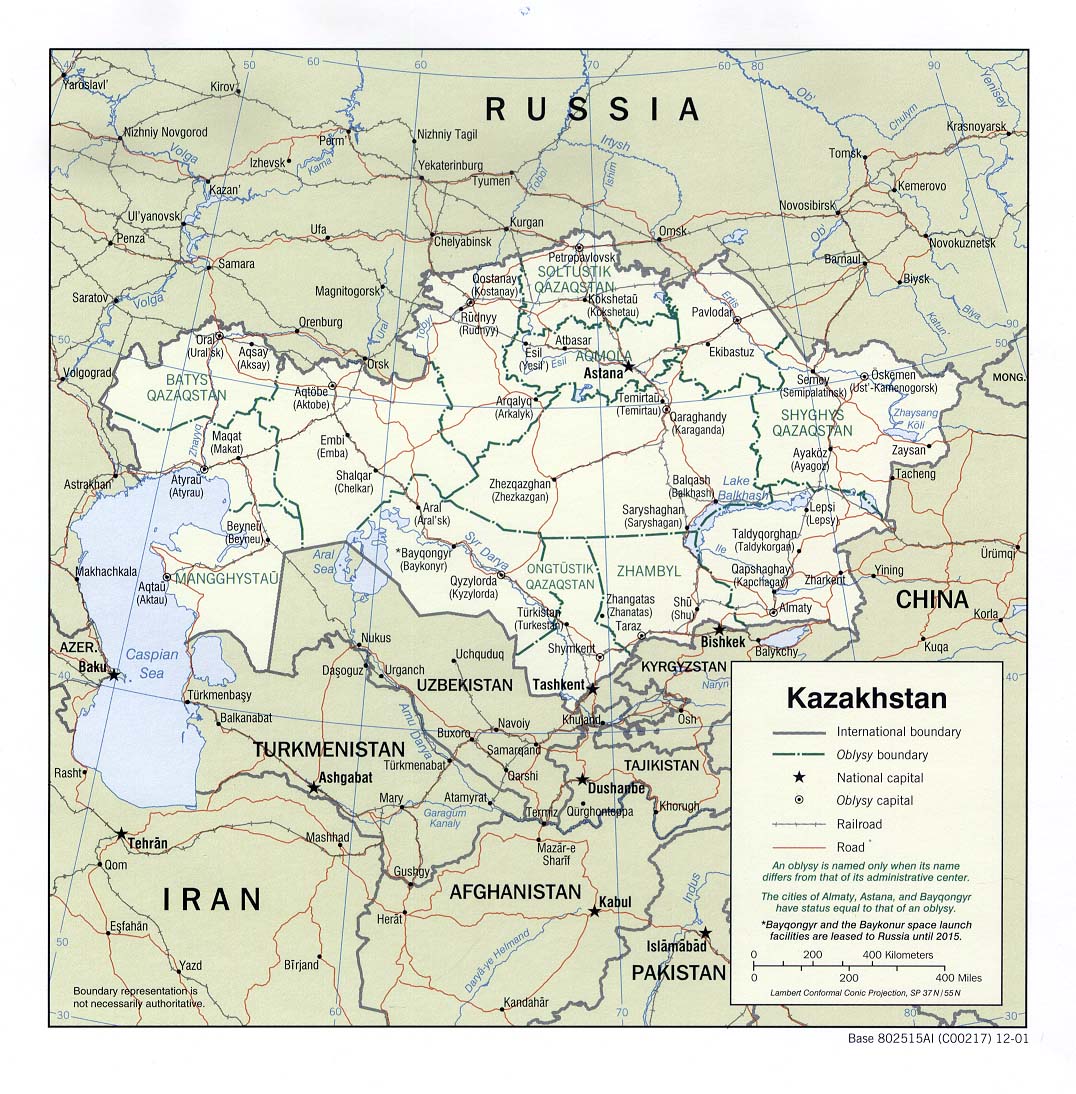
Die-off, Seals – Kazakhstan (Mangistauskaya): Request for Information – ProMED Archive Number 20070418.1280
ProMED
18 Apr 2007
Area: Kazakhstan
Photo courtesy of FWS Digital Library System; Hawaiian Monk Seal


The number of dead seals found at the coast of the Caspian sea in the territory of Mangistauskaya region, Kazakhstan has increased to 435. A total of 50 were adults and there were 385 young. Bodies of the dead animals were initially found on 30 Mar 2007; and by 14 Apr 2007 the number had increased to 388. . . . .

During an interview with Interfax, the deputy head of the Agency for Environmental Protection of Mangistauskaya region, Marat Orinbasarov, said that these results are preliminary and that additional infections might be found during further investigations. Any additional findings will be published, and a final conclusion about the cause of death in seals will be announced when the results from other laboratories become available.


First Avian Flu Case in Broiler Chicken Discovered in Wafra; PAAAFR Destroys 180,000 Eggs, 250 Tons of Fodder
Arab Times – Kuwait (Special to the Arab Times And Agencies)
19 Apr 2007
F Al-Qahtani
Area: Kuwait

The first case of avian flu in broiler chicken has been discovered in a poultry farm in Wafra, says a reliable source at the Public Authority for Agricultural Affairs and Fish Resources (PAAAFR). Meanwhile, falcons illegally imported into Kuwait may have been the cause of an outbreak of bird flu that has forced authorities to cull about two million chickens, MPs charged on Tuesday. During a special debate, a number of lawmakers submitted official documents showing that several falcon shipments for royals and influential people were imported without the strict quarantine procedures.

The head of the government’s agriculture authority, Jassem Al-Bader, denied the allegations, insisting that all the imported falcons were properly tested and found healthy. But he admitted that a total ban on bird imports imposed in 2005 following the discovery of the first bird flu case in Kuwait was eased in July 2006 to allow the import of falcons.Bader said that the last falcon shipment allowed was in late 2006.


Related Articles


DNR Releases CWD Update
The Assoicated Press (Posted by Green Bay Press-Gazette)
14 April 2007
Area: Wisconsin, USA

State wildlife managers gave legislators an update Friday on their program to fight chronic wasting disease, outlining changes since a critical audit and saying costs should be cut considerably in coming years when some testing of deer won't be needed. The report from Department of Natural Resources secretary Scott Hassett said surveillance testing has continued to confirm that the fatal brain disease of deer is contained to parts of south-central Wisconsin.

The state audit in November said the DNR spent nearly $27 million on CWD efforts since the disease was first found in the deer herd in 2002. That included a campaign to kill as many deer as possible in affected areas, but deer numbers in the so-called CWD zones increased, auditors said.... Hassett said in the report that since the audit, "we have another year of data on CWD and are pleased that new data finds there has been no spread of CWD to the western areas of the state ....”


Eastern Ky. Site Reviewed for Lab
WKYT.com (Posted by Animal Lab News)
18 Apr 2007
Area: Kentucky, USA

A team of federal inspectors will visit a 150-acre site in eastern Kentucky that has been proposed as the new home for a national lab that would handle deadly animal diseases. The planned $450 million lab will replace the 50-year-old animal disease center on Plum Island in New York. The Kentucky site is on farmland about 10 miles northwest of Somerset.

The Pulaski County, Kentucky inspection is one of 17 planned site visits by a team from the U.S. Department of Homeland Security. A list of finalists will be completed by June. A winner is expected to be announced in October of 2008, with design and construction beginning between 2010 and 2014.


Final Epidemiology Report into Avian Influenza Outbreak in Suffolk Published [News Release]
Department for Environment Food and Rural Affairs (Defra)
19 Apr 2007
Area: Suffolk, England


Defra has today published the final epidemiology report into the outbreak of H5N1 avian influenza in Suffolk confirmed in February. The report sets out the findings of the National Emergency Epidemiology Group who have been investigating the outbreak in close consultation with the European Commission and the Hungarian Authorities.

The final report is a detailed analysis of all possible ways the virus could have arrived in Holton, Suffolk. No specific proven source has been found. The report concludes that the most plausible explanation is that infection was most likely introduced to Britain via the importation of turkey meat from Hungary. Such meat could have originated from a sub-clinically infected turkey flock in Hungary which had been infected from a wild bird source which had also infected the two goose farms in Hungary.

The investigation in conjunction with the Hungarian authorities has found no evidence of undisclosed infection in Hungary and the possibility of infection going undetected in turkeys is considered to be a rare event.


Related Link


Bird Flu Genome Study Shows New Strains, Western Spread [Press Release]
University of Maryland
19 Apr 2007

In a paper in the May issue of Emerging Infectious Diseases, an international team of researchers, including University of Maryland professor Steven Salzberg, report the first ever large-scale sequencing of western genomes of the deadly avian influenza virus, H5N1.

Their study of 36 genomes of the virus collected from wild birds in Europe, the Middle East and Africa (EMA), and Vietnam confirms not only that the virus has very recently spread west from Asia, but that two of the new western strains have already independently combined, or reassorted, to create a new strain.


Related Journal Article


Journal Articles of Interest

Spatial and Temporal Patterns of Enzootic Raccoon Rabies Adjusted for Multiple Covariates (free full-text available)
International Journal of Health Geographics. 2007; 6(14)
S Recuenco et al.


Are Liver and Renal Lesions in East Greenland Polar Bears (Ursus maritimus) Associated with High Mercury Levels? (free full-text available)
Environmental Health. 2007; 6(11)
C Sonne et al.

Avian mortality surveillance for West Nile virus in Colorado (online abstract only)
The American Journal of Tropical Medicine and Hygiene. 2007 Mar;76(3):431-7.
NW Nemeth et al.

April 19, 2007

Winter Ticks Invade Yukon Elk Herds
CBS News
18 Apr 2007
Area: Yukon Territory Canada

Yukon wildlife officials say a recently discovered infestation of winter ticks, a new invasive species in the territory, has hit elk herds and could pose a serious risk to moose. The territorial Environment Department found the infestation in Takhini and Braeburn-area elk herds while tracking herds for a radio collaring program. The ticks were verified after being sent to B.C.'s Centre for Disease Control laboratory. The winter tick is also known as the moose tick or elk tick.

"We haven't found this tick on any other wildlife in this area," department wildlife veterinarian Michelle Oakley said Tuesday, adding the ticks are more commonly found in areas further south. "I'd say that climate change or at least different weather patterns ... definitely could have had something to do with it," she said. For now, Oakley said the elk population seems relatively unharmed. The winter tick does not pose a risk to elk or humans, but can be deadly to moose and other animals.


Biologists Probe Mercury Hot Spots in Merrimack
The Daily News (Posted by mineralwellsindex.com)
16 Apr 2007
N Pinto

Scientists recently identified a hot spot of mercury pollution in the Merrimack River watershed between southern New Hampshire and Haverhill, but there are indications that mercury pollution is even closer to home. Oksana Lane, a biologist at the Biodiversity Research Institute in Gorham, Maine, and her colleagues have been measuring the level of mercury in the blood and eggs of salt marsh sharp-tailed sparrows throughout New England and have found a hot spot in the Parker River Wildlife Refuge at the mouth of the Merrimack. Where Lane found blood mercury levels of 0.4 to 0.8 parts per million in birds at various sampling locations from Connecticut to Maine, in the Parker River Wildlife Refuge the levels are significantly higher, around 1.2 parts per million.

"It's really concerning," said Nancy Pau, a biologist at the refuge who has helped Lane collect samples. "What we're seeing is that the concentrations have actually been increasing over the last three years." The hot spots in the Upper Merrimack Valley were revealed in a study published earlier this year by the Hanover, N.H.-based Hubbard Brook Research Foundation. The team of researchers found an elevated concentration of mercury in wildlife in the Merrimack River watershed extending from southern New Hampshire to Haverhill.


Six Additional Deer Found with TB in Northwest Minnesota
Agri News
17 Apr 2007
J Willette
Area: Minnesota USA

Six additional deer have been found with suspected cases of bovine tuberculosis in northwestern Minnesota. The six bring the total number of suspected and confirmed cases of bovine TB in deer to 13 in Minnesota in 2005, 2006 and 2007. The latest suspected cases were found in the 476 deer removed from a TB Management Zone by the USDA Wildlife Services this winter, said Michelle Powell, wildlife health program coordinator for the Minnesota Department of Natural Resources. The TB Management Zone is roughly a 20-mile by 20-mile area that covers the corners where Roseau, Lake of the Woods, Marshall and Beltrami counties meet.

The area was drawn because it is the area were infected deer have been found. It is also where some of the state's initial infected cattle herds were found, said Malissa Fritz, communications director for the Minnesota Board of Animal Health. Minnesota had been TB-free for 34 years when a case was identified in cattle on July 12, 2005. Six additional herds were found, all in northwestern Minnesota. The herds have been depopulated.


Disease Could Boost Fish Stocking at Applegate
Mail Tribune
19 Apr 2007
Area: Oregon USA

Peering at the fog-shrouded mountains as they reflect off the surface of Applegate Lake, it's hard to imagine that what this place really needs is a little disease. But that's just what some Oregon Department of Fish and Wildlife officials and trout anglers hope to discover this week as they survey the lake for a virus whose presence usually makes hatchery managers wince. Finding IHN — yes, that same IHN feared as a fish-killer in hatcheries — could mean a real boon to the lake's fish-stocking scheme, thereby benefitting trout anglers who rely on it. "It's a very strange irony," says Randy Robart, the Cole Rivers Fish Hatchery manager who acknowledges that his professional life would improve dramatically if IHN was in Applegate Lake.

Having the lake deemed "yes" for IHN would make it OK to stock rainbow trout and chinook salmon raised at Cole Rivers Hatchery, where the naturally occurring disease is known to be present in adults. It also could mean that Butte Falls Hatchery could raise legal-sized rainbows for that lake as well. It would mean the return of the popular stocking at Applegate of hundreds of excess adult winter steelhead trapped each spring at the Applegate River, another "yes" water body. The lake is now stocked with trout from uninfected hatcheries, where the high demand for these IHN-free trout meant that Applegate Lake received only about 90 percent of its regular stocking.


April 17, 2007

State Wildlife Managers: Costs Associated with Fighting CWD to Be Cut
WEAU News
17 Apr 2007
Area: Wisconsin USA

State wildlife managers say the costs associated with fighting Chronic Wasting Disease should be cut considerably in coming years, when some testing of deer won't be needed. That announcement came Friday, as wildlife leaders gave legislators an update on their program.

The report, from Natural Resources Secretary Scott Hassett says surveillance testing has continued to confirm that the fatal brain disease of deer is contained to parts of South Central Wisconsin where it has already been found. A state audit in November showed the DNR has spent nearly $27 million on CWD efforts since the disease was first found in the deer herd in 2002.


Ticks Present a Growing Concern
SouthCoastToday.com
15 Apr 2004
D Cuddy

Scientists and medical experts have a springtime warning for anyone who loves the great outdoors: Beware of ticks. Deer ticks, which transmit the potentially crippling Lyme disease, are expected to be present in large numbers this spring, increasing the risk for anyone who works or plays outside. The rising deer population and a series of warmer-than-normal winters — capped by an especially mild winter this year — are combining to create favorable conditions for ticks, experts said. “As the tick population grows, an increasing number of people have become exposed over the past decade,” said Dr. Thomas Mather, a professor of entomology at the University of Rhode Island who has been leading an intensive study of the tick-borne diseases since 1993.

“In the last five years we have seen three of the worst years in terms of risk, and 2006 was the second-highest since we began our study 14 years ago,” he said. While Dr. Mather’s research has focused on Rhode Island, the figures in Massachusetts are similar. The incidence rate of Lyme disease in Massachusetts in 2005 was 36.4 cases per 100,000, which is almost 4½ times higher than the national rate of 7.9 cases per 100,000 according to the Department of Public Health. And even if it’s pretty clear that the deer tick population has been rising, “we don’t like to make predictions,” about what it will be like this year, said Donna Rheaume, spokesperson for the DPH.


West Nile Virus Testing Begins
The News-Herald
16 Apr 2007
J Hutchison
Area: Ohio USA

Lake County General Health District wants reports of dead birds

Starting today, the Lake County General Health District is asking county residents to call the agency to report all dead birds they see. Reporting dead birds is part of the Ohio Department of Health's West Nile Virus Surveillance Program and is used as an indicator of the virus' presence within the county. New this year, and due to limited state laboratory capabilities, not all birds that are reported will be tested, but they will be logged into a database and monitored. Only crows and blue jays will be collected for West Nile virus testing because the state has determined these birds are the best sentinels of this activity.

Residents may call the Health District at (440) 350-2543, (440) 918-2543, or (440) 428-4348 to report all dead birds. There is no evidence that humans or pets can contract West Nile virus from touching a dead bird. But if you find a dead bird and would like to dispose of it, it is important to use gloves or a shovel and to place the bird in a garbage bag. If Health District representatives tell you they will be submitting your bird for testing, it is important to remember the following information: Dead raptor birds (owls, eagles, hawks, vultures, harriers and falcons) and waterfowl (ducks and geese) will not be collected and should be reported to Lake Metroparks Wildlife Center at (440) 256-2131.


Ebola Outbreaks Killing Thousands of Gorillas and Chimpanzees
University of Chicago Press Journals (Posted by sciencedaily.com)
17 Apr 2007

Why have large outbreaks of Ebola virus killed tens of thousands of gorillas and chimpanzees over the last decade? Observations published in the May issue of The American Naturalist provide new clues, suggesting that outbreaks may be amplified by Ebola transmission between ape social groups. The study provides hope that newly developed vaccines could control the devastating impact of Ebola on wild apes. Direct encounters between gorilla or chimpanzee social groups are rare. Therefore, when reports of large ape die-offs first surfaced in the late 1990s, outbreak amplification was assumed to be through "massive spillover" from some unknown reservoir host.

The new study, conducted by researchers from the Max Planck Institute for Evolutionary Anthropology, Cambridge University, and Stony Brook University at three sites in northern Republic of Congo, suggests that Ebola transmission between ape groups might occur through routes other than direct social encounter. For instance, as many as four different gorilla groups fed in the same fruit tree on a single day. Thus, infective body fluids deposited by one group might easily be encountered by a subsequent group. Chimpanzees and gorillas also fed simultaneously in the same fruit tree at least once every seven days.


Warming Kicks Frogs While They're Down
LiveScience.com
16 Apr 2007
A Thompson

As if frogs and other amphibians around the world didn’t have enough to worry about with a killer fungus spreading rapidly and humans encroaching on their habitats, now global warming seems to be affecting one of the few pristine habitats the frogs have left, a new study suggests. More than one third of amphibian species in the world today are threatened, and it is estimated that more than 120 species have disappeared since 1980. A lack of long-term data on frog populations has made it difficult to determine the causes of these declines, especially in areas far from the effects of humans. Scientists know a pathogen called a chytrid fungus is causing an infection in the skin of frogs in epidemic proportions in cool, high-altitude areas, preventing their skin from taking in enough water and causing them to die of dehydration.

But the fungus fails to explain all of the decline in frog numbers in warmer, low-altitude environments where it cannot thrive as well, so a group of scientists decided to investigate at La Selva Biological Station, a pristine lowland forest in Costa Rica. They found that the population density of all the land-dwelling amphibian species at La Selva had declined by 75 percent since 1970. While the declines are not as rapid as those caused by the fungus, which can completely wipe out an entire species in a matter of months, the scientists still found them alarming, because something was “affecting species that biologists haven't been primarily concerned about,” said study team member Steven Whitfield of Florida International University in an email.


Journal Article(s) of Interest

Salmonella Typhimurium in Hihi, New Zealand [Letter]
Emerg Infect Dis. 2007 May;13(5):[Epub ahead of print]
JG Ewen et al.

April 16, 2007

Smuggling of Frogs on the Rise
NDTV.com
13 Apr 2007
K Bhattacharjee

The smuggling of frogs from the North East to China and Europe has increased. Frog legs are one of the better-known delicacies of French and Chinese cuisine and bull frogs in particular are much sought after for their meaty hind legs. Recently the railway police seized a container filled of endangered bull frogs from a local train coming from the North Cachar Hills, which say they were meant to be smuggled. "This is a case of smuggling, it happens on this route, they are taken outside.

Earlier we had caught elephants. I know they are sent to China, Burma," said Ranjit Hazarika, OC GRP, Guwahati. The 71 frogs that were seized have now been released. There may be no accounting for taste but these amphibians play a more meaningful role in their natural habitat rather than when served with white wine. Less than 50 frogs are needed to keep an acre of a paddy field insect free.


Lyme Disease in Tennessee
The Tennessee Journalist
12 Apr 2007
E Hill
Area: Tennessee USA

The Center for Wildlife Health welcomes Jean Tsao and Sarah Hamer to discuss the emerging problem Lyme disease can present for wildlife. A seminar will be held Friday, April 13 from 11 a.m. to 12 p.m. in Room 166 of the Agricultural Engineering Building on the University of Tennessee campus in which Tsao and Hamer will relate how wildlife species have contributed to the spread of Lyme disease. The increase in Lyme disease is attributed to invasion of the black-legged tick into parts of southern Michigan. The ticks are carried there by wild birds and mammals and have begun to make the area a permanent home.

Recently, black-legged ticks also have been found on deer in Tennessee, but the population has not yet reached the level that exists in Michigan. The black-legged ticks is the animal most likely to transfer the disease to humans. At Friday's seminar, Tsao and Hamer will examine how wildlife surveillance can provide early warnings that will aid in disease control and discuss possible solutions to the problem, such as vaccines.


Animal Health Sponsorships Still Available from MAF [Press Release]
Morris Animal Foundation
05 Apr 2007

Morris Animal Foundation (MAF) provides a unique opportunity for individuals or groups to demonstrate love for and help animals via its animal health study/research sponsorships. MAF still has plenty of sponsorship opportunities available for 2007 and all are invited to sponsor or co-sponsor with a total gift of $3,000 or more per study. Projects address the health and well-being of dogs, cats, horses, llamas/alpacas and wildlife. Founded in 1948, 100% of MAF donations are used to fund research to protect, treat and cure the world's animals.

In 2007 MAF has committed to funding $4.3 million in animal health studies. The complete list of research studies can be viewed at http://www.MorrisAnimalFoundation.org, or a hard copy sponsorship directory can be obtained by calling (800) 243.2345. MAF's 2007 selection of studies is being conducted at 49 of the world's most elite veterinary colleges, zoological institutions and scientific research centers. In addition to key facts on MAF and an easy step-by-step guide to sponsoring a health research study, the sponsorship directory details 39 canine health studies, including many crucial health issues such as cancer, heart disease, eye and blood disorders, and urinary problems.


Are Mobile Phones Wiping Out Our Bees?
The Independent
15 Apr 2007
G Lean and H Shawcross

It seems like the plot of a particularly far-fetched horror film. But some scientists suggest that our love of the mobile phone could cause massive food shortages, as the world's harvests fail. They are putting forward the theory that radiation given off by mobile phones and other hi-tech gadgets is a possible answer to one of the more bizarre mysteries ever to happen in the natural world - the abrupt disappearance of the bees that pollinate crops. Late last week, some bee-keepers claimed that the phenomenon - which started in the US, then spread to continental Europe - was beginning to hit Britain as well.

The theory is that radiation from mobile phones interferes with bees' navigation systems, preventing the famously homeloving species from finding their way back to their hives. Improbable as it may seem, there is now evidence to back this up. Colony Collapse Disorder (CCD) occurs when a hive's inhabitants suddenly disappear, leaving only queens, eggs and a few immature workers, like so many apian Mary Celestes. The vanished bees are never found, but thought to die singly far from home.


Trapping Focus of Md. Parasite Containment
United Press International (Posted by monstersandcritics.com)
15 Apr 2007
Area: Maryland USA

Humane society officials in Maryland plan to start trapping wild animals in an attempt to contain a dangerous parasite on a farm. The Humane Society of Carroll County will coordinating its efforts with the U.S. Department of Agriculture, to trap wildlife around the 112-acre farm where the potentially deadly parasite has been found, The Baltimore Sun reported Saturday. 'We are only interested in wild animals, and those will be in limited numbers,' Executive Director Carolyn Ratliff said. 'We will be sampling the perimeter of the farm and have permission from those property owners to do so.

'If wild animals have this disease, there is a real possibility it could be re-introduced to pigs back at the farm,' she said. The farm has been quarantined ever since one of its pigs tested positive for trichinosis. While the initial trapping effort will only focus on a portion of the area wildlife, the newspaper said the containment effort could grow significantly in scope if the parasite is found to have spread outside the farm`s borders.


Senate Votes to Expand Canned Hunting Ban
The Associated Press (Posted by theworldlink.com)
13 Apr 2007
A Clark
Area: Oregon USA

The Oregon Legislature moved closer Thursday to clamping down on the canned hunting of captive, exotic animals. The Senate voted 22-5 for a bill to outlaw the hunting of such animals as ibex goats and Russian boars on closed game reserves. The Supreme Court ruled in November against the hunting of captive, non-indigenous deer, but didn't rule on more exotic species. That led to the bill, which now goes to the House.

“These are trophy hunting facilities that offer the customers the opportunity to kill exotic or game animals that are trapped within enclosures, regardless of their size, with really no chance to escape, and they are shot at a close range,” said Sen. Ryan Deckert, D-Beaverton, chief sponsor. Deckert said that hunting groups have derided the practice as unsportsmanlike. But several lawmakers disputed that. “Hunting groups oppose this,” said Sen. Roger Beyer, R-Molalla.


April 12, 2007

Migratory Birds Put Officials on Alert
People's Daily Online
10 Apr 2007
Area: China

Liu Huajin grows more and more tense the closer spring gets. Liu, an official at Xingkai Lake Natural Reserve in Northeast China's Heilongjiang Province, is charged with preventing outbreaks of avian flu at the reserve. And at a time when millions of birds from southern China and Southeast Asia are stopping at the lake to rest on their way back to Russia and other neighboring countries, the burden of this responsibility grows particularly heavy. "The temperature is rising. The ice on the lakes is melting, which is attracting more birds," he said.

The situation exposes the reserve, which sits along the China-Russia border, to possible bird flu outbreaks. "It is a vital time for anti-bird flu work as tens of thousands of birds come here every day," Liu said after a recent trip out to an observation post. "All 41 of our staff members are working on the issue. The whole reserve is on high alert."


Rainbow Trout Ready to Return?
Post Independent
12 Apr 2007
B Berwyn
Area: Colorado USA

Biologists breeding fish resistant to devastating disease, but funding cuts loom

Local guide Trapper Rudd remembers well the heyday of fishing for rainbow trout in Colorado, before whirling disease spread into the state in 1987 and crippled and deformed the beautiful speckled fish. In just 10 years, many wild rainbow trout populations across the state were decimated. “It truly was a magnificent time,” Rudd said. “You could get into the double-digits pretty quick. The rainbow populations here were as strong as anywhere in the country.”

Rainbows are known for their willingness to rise to a dry fly, and for their splashy acrobatic moves once they’re hooked, he said. “We started seeing it before we know what it was,” Rudd said of whirling disease. “When it was in its bloom, we started catching these small fish that were deformed. We noticed them acting funny around the banks.” It didn’t take biologists very long to figure what was going on. Parasitic spores — part of a complex life cycle involving mud-dwelling worms — were infecting the fish and spreading like wildfire.


Take Precautions Against Tick-Borne Diseases
Kansas City Infozine
11 Apr 2007
J Low
Area: Missouri USA

Martensen wasn't thinking of tick-borne disease when he skinned a raccoon after a hunt on Christmas Day in 2005. He wasn't thinking of the raccoon when he got sick. He thinks of both now, every time he works with wild game. Martensen is a private land field programs supervisor for the Missouri Department of Conservation in Jefferson City. As a wildlife expert, he knew that handling game carried a very small risk of contracting tick-borne diseases.

Yet, he had never worn rubber gloves when cleaning game. "I didn't think anything of it when I cut my thumb while cleaning that raccoon," he said. He had already forgotten about the cut when he started feeling feverish 11 days later. He stayed home from work Jan. 6 with aches, chills and a headache that "seemed to get worse by the hour, possibly by the minute."


Journal Article(s) of Interest

Leptospirosis in Urban Wild Boars, Berlin, Germany [free full-text available]
Emerging Infectious Diseases. 2007 May;13(5):[Epub ahead of print]
A Jansen et al.

April 11, 2007

Unusual Seabird Mortality Recorded on the Oregon Coast
Newport News-Times
6 Apr 2007
J Evans
Area: Oregon, USA
Photo Courtesy of J Evans

January through March 2007, more beached dead seabirds than usual have been counted in Lincoln County and elsewhere on the Pacific Coast. Dead birds found in unusually high numbers include rhinoceros auklet, horned puffin, tufted puffin and marbled murrelet, among others. It is unclear what is causing the prevalence of dead birds, and whether the event is ongoing.

"Something is definitely different in the ocean this year for those species," said Roy Lowe, with the U.S. Fish and Wildlife Service (FWS), "These birds are often the bellwether of what is going on underwater. If you are not out there collecting data on plankton or fish, dead birds might be the first thing you see. Especially when you see birds dying on such a length of coastline, it tells you something is going on."


Tropical Disease Appears in Northwest: Australian Fungus has Killed 8 People in British Columbia
San Fransisco Chronicle
8 Apr 2007
D Struck
Area: Victoria, British Columbia, Canada

The mystery emerged slowly, its clues maddeningly diverse. Sally Lester, an animal pathologist at a British Columbia laboratory, slipped a slide under her microscope -- a tissue from a dog on Vancouver Island. Her lens focused on a tiny cell that looked like a boiled egg. It was late 1999. She had started seeing a lot of those.

On the eastern side of the island, several dead porpoises washed ashore early the next year. Scientist Craig Stephen, who runs a research center on the island, slit one open. He found its lungs seized by pneumonia and its other organs swollen by strange, flowerlike tumors.


CWD Discovered in White-tailed Deer
Canoe Network
11 Apr 2007
J Spigott
Area: Alberta, Canada

The fight against Chronic Wasting Disease in Alberta has taken a new twist as officials have uncovered the first case of CWD in a white-tailed deer.

The fight against Chronic Wasting Disease in Alberta has taken a new twist as officials have uncovered the first case of CWD in a white-tailed deer. The infected deer, which was culled from the Empress-Acadia Valley area of the province in late March, is the first white-tailed deer in Alberta to be confirmed with the disease. The finding has raised the concern of Alberta Fish and Wildlife officials, who are speculating the reasons for the first positive test in an Alberta white-tailed deer.

“Of the 449 deer we collected down there, we have three new positives,” said Lyle Fullerton, communications officer for Alberta Sustainable Resource Development. “One of those three was a white-tailed – we have not had a positive case of CWD in a wild white-tailed prior to this.” Until the discovery, CWD in Alberta had previously been confined to mule deer, but Fullerton says it is not uncommon for other regions to have CWD in white-tailed deer. He pointed to Saskatchewan – where 35 out of the 148 reported cases of CWD have been in white-tailed deer – and Wisconsin, where every reported case of CWD has been in a white-tailed deer.


Oh Deer, What a Problem: Berrien County, Michigan DNR at Odds Over Fate of Exotic Animals
South Bend Tribune
7 Apr 2007
C Draeger
Area: Michigan, USA

Berrien County is in a catfight with the Michigan Department of Natural Resources over two fallow deer. The DNR wants the animals, which are not native to North America, euthanized so they can be tested for bovine tuberculosis and chronic wasting disease. DNR officials say under state law the county is committing a felony by not killing the deer to test for the disease.

By law captive wildlife animals that have been running loose must be killed within 48 hours of their capture. The county's animal control department, meanwhile, which has been holding the exotic animals for nine months, wants to keep them alive. Or, at the very least, the county wants the DNR -- if it insists on killing the deer -- to reimburse the county the $900 feeding costs the county has shelled out to care for the deer.


Lyme Disease Vaccine Proteins are Patented [Press Release]
United Press International (Posted by ScienceDaily)
9 Apr 2007
Area: Upton, New York, USA

U.S. government scientists received a patent for developing combination proteins for possible use against Lyme disease. The researchers at the Department of Energy's Brookhaven National Laboratory in Upton, N.Y., in collaboration with scientists at Stony Brook University, said the proteins they developed could advance the development of vaccines and diagnostic tests for Lyme disease. The genetically engineered proteins combine pieces of two proteins that are normally present on the surface of the bacterium that causes Lyme disease but at different parts of the organism's life cycle.

"Combining pieces of these two proteins into one chimeric protein should trigger a 'one-two-punch' immune response more capable of fending off the bacterium than either protein alone," said Brookhaven biologist John Dunn. "These chimeric proteins could also be used as diagnostic reagents that distinguish disease-causing strains of bacteria from relatively harmless ones, and help assess the severity of an infection," Dunn said.